Outdoor Advertising Transformed
Billboards Are Watching You Now!
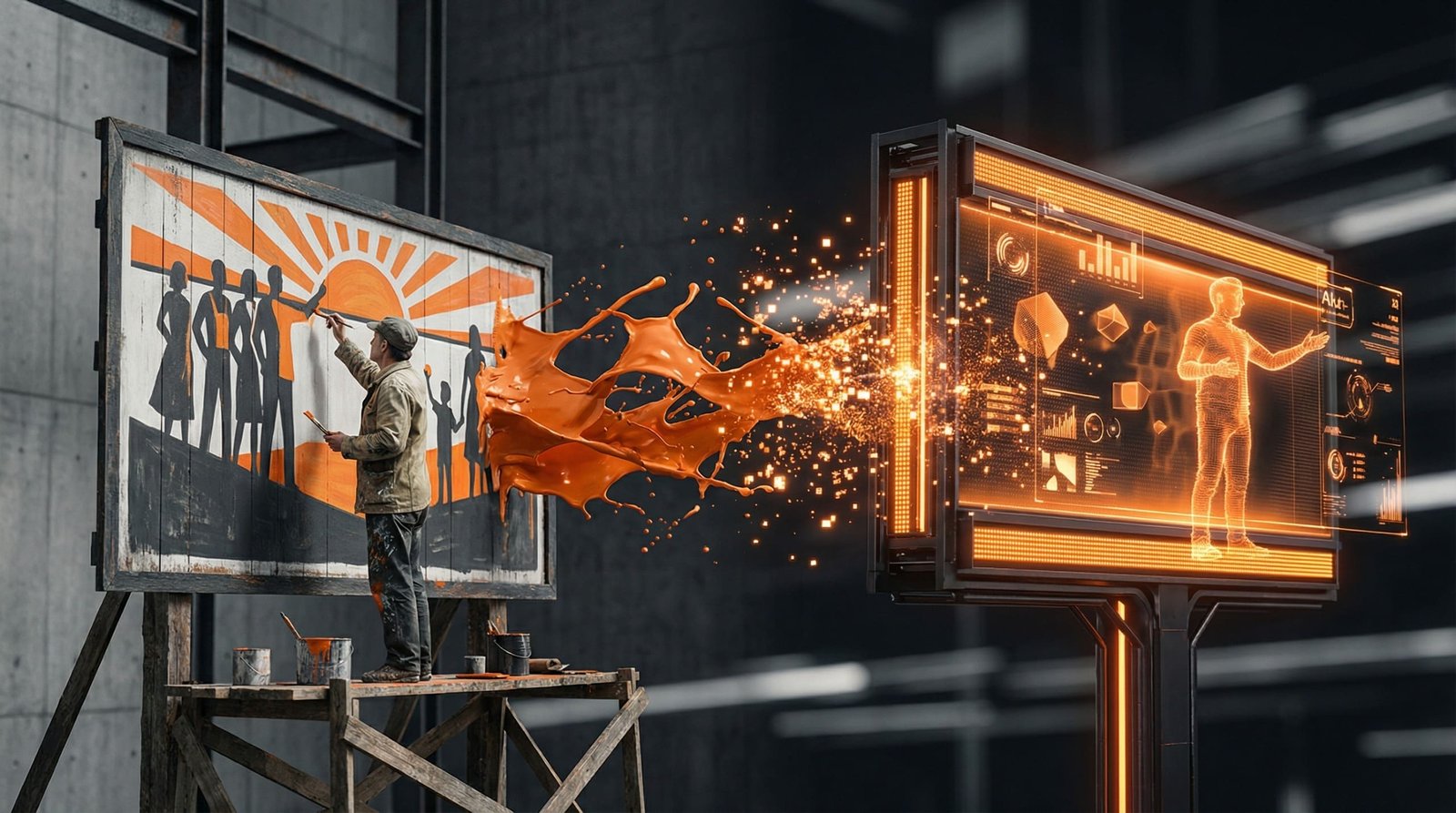
When we started back in 1976, billboards were just one static image that stayed the same all day, but now they can change according to the weather, time, and even who’s walking by. This shift clearly shows how outdoor advertising transformed over the decades from simple painted boards to intelligent digital displays.
How Outdoor Advertising Transformed Over Time
At that time, every outdoor advertisement was hand-painted. You’d see painters on scaffolding with brushes and paint tins, working right above moving traffic. The colors were bold, the letters were big, and these boards became landmarks over time. Locals didn’t say “turn at the intersection”; they used to say “take a left from that hoarding.” Each billboard told a story, but it took days to bring each one to life.
That era marked the beginning of how outdoor advertising transformed into a powerful mass communication medium, redefining how brands connect with audiences in public spaces.
From Paint to Printing: The 1980s Shift
That started changing in the 1980s. Vinyl and flex printing came in, and suddenly the same campaign could be placed across cities without starting over from scratch. Hoardings also started lighting up after sunset, which meant outdoor advertising stayed visible and reached people even at night. This was another major stage where outdoor advertising transformed in scale and efficiency.
Expanding Into Everyday Life: The 1990s
The next step was figuring out where else ads could show up in people’s lives. The 1990s expanded advertising beyond the walls and onto buses, train stations, and airports. Ads weren’t just on the roads anymore; they became part of the daily commute.
The Digital Leap: 2000s and Beyond
Then, the early 2000s brought in LED and digital screens, so billboards could show different messages throughout the day instead of just one.
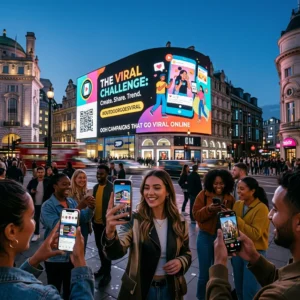
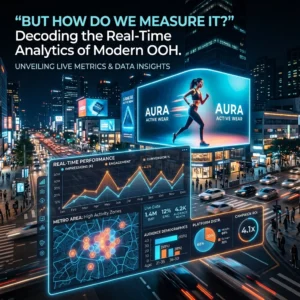
The 2010s accelerated the transformation even further with DOOH and programmatic buying that let campaigns shift based on the time, weather, or crowd. By 2020, outdoor advertising wasn’t showing the same thing to everyone anymore; it was changing based on who was around. At this stage, outdoor advertising transformed into a dynamic, data-driven medium rather than a static display.
What Comes Next?
At Graphisads, we’ve been part of this journey since the beginning, evolving through three generations. Growing up in this business and now leading it forward, I’ve learned that adapting is the only way to keep moving. And with AI now stepping into outdoor media, the next shift is already happening—proving once again how outdoor advertising transformed with every technological leap.
So, what do you think outdoor advertising will look like ten years from now?